
-

The Leads Everyone Else Rejects: Hidden Opportunity or Wishful Thinking?
There’s an appealing idea in lead buying: somewhere in the traffic your competitors pass on, there’s a pocket of leads they’ve undervalued, and whoever finds it first gets an edge. Sometimes that’s true. Some buyers who go looking find a real advantage, and others find a story they wanted to be true. So which is…
-

What Is 2% Worth to Your Lending Operation?
Imagine this scenario for a minute. You’re funding thousands of loans. Your acquisition channels are working. Your underwriting process is established. Portfolio performance is relatively stable. Nothing is obviously broken. In fact, you’ve spent years getting the business to this point. But what if one segment is converting slightly below its potential? What if a…
-

Shrinking the Haystack: What Predictive Lead Scoring Actually Tells You
Finding quality leads at the top of the lending waterfall can feel a lot like looking for needles in a haystack. Except this haystack can contain tens of thousands of leads. And every minute, dollar and data pull spent digging through it adds to the cost of finding the ones you actually want. What if…
-

Storefront. Online. Two Channels. One Customer.
Customers want the convenience of digital lending without giving up the flexibility of human support. The challenge is making both feel connected. A customer starts a loan application online on Tuesday night. On Wednesday morning, they call with a question. On Friday, they stop by a storefront to complete part of the process. A month…
-
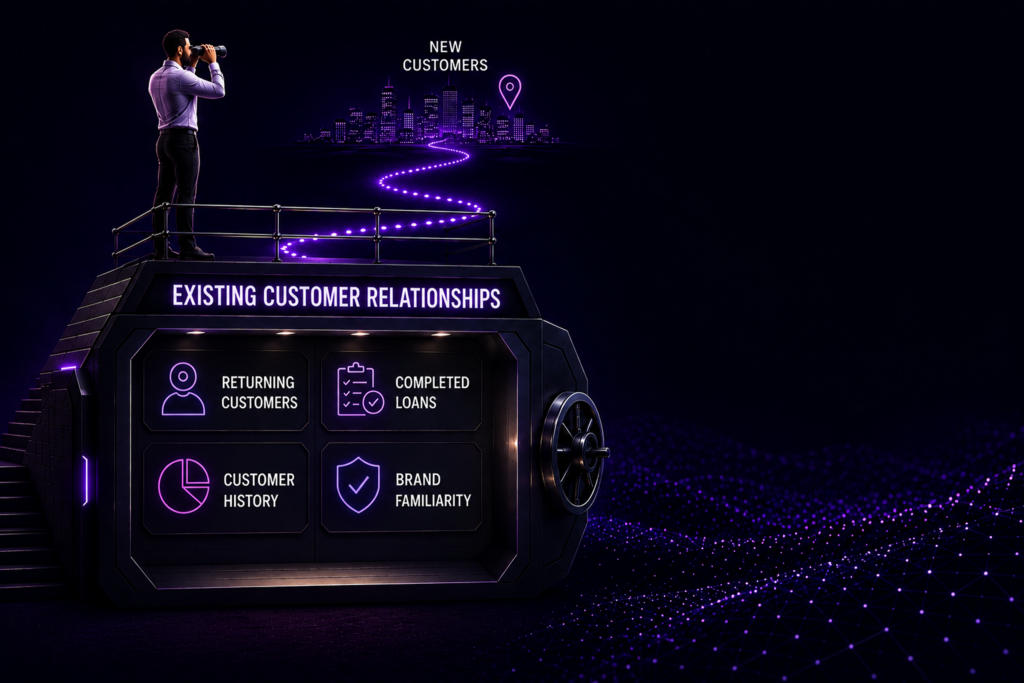
Moving from Storefront to Online? Start With the Customers You Already Know
As storefront lenders move online to reach new customers, they may be overlooking one of their most valuable growth opportunities. One of the biggest reasons storefront lenders move online is to reach customers they aren’t reaching today. Customers increasingly prefer digital experiences. They want to research products online, start applications on their own schedule, and…
-
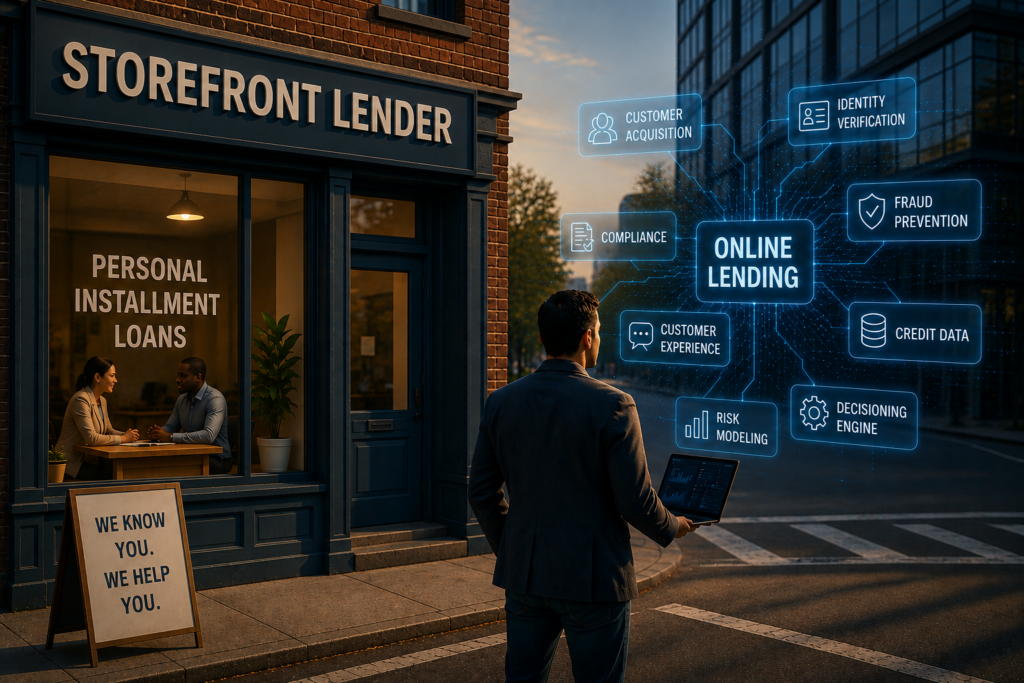
Your Storefront Lending Playbook Won’t Work Online
Moving from storefront lending to online lending is more than just a website or an app. It changes how you acquire customers, evaluate risk, manage costs, and create customer experiences. Many storefront lenders assume the hardest part of moving online is the technology. Launch a website. Add an application. Connect a loan management system. Problem…
-

The Hidden Cost of Evaluating Every Lead the Same Way
How applying the same level of scrutiny to every lead can quietly increase costs, strain operations, and reduce profitability. Imagine you’re buying 100,000 leads per month. Your underwriting team wants the best possible decisions, so every application gets the full treatment: credit data, fraud tools, identity verification, income verification, and bank transaction data. The logic…
-

Where Financing Programs Start Breaking Down Before Defaults Spike
Most financing programs don’t fail all at once. They start showing smaller operational signals first. Rising first payment defaults. Declining conversion rates. Increasing customer acquisition costs. Repayment friction. Data expenses that erode profitability over time. Many companies treat these as isolated issues instead of recognizing them as signs of operational strain across the financing lifecycle….
-

What Early Financing Programs Often Miss About Risk and Unit Economics
When companies start exploring customer financing, the early conversation usually centers on conversion. If customers could pay over time, would more of them buy? Often the answer is yes. When executed responsibly, financing can unlock demand that already exists. But once a program goes live, a different set of questions starts to matter just as…
-

Why “Thin-File” Borrowers Are the Growth Market Nobody’s Talking About
How storefront and online lenders can profitably expand access to underbanked customers — and why BloomGrade makes it low-risk and low-cost. The next meaningful growth opportunity for consumer lenders won’t come from squeezing more margin from prime borrowers. It’s in the millions of people left out or poorly served by traditional credit scores. These “thin-file”…